免許返納 舘ひろし – 82歳俳優の安全優先決断の背景
Intro
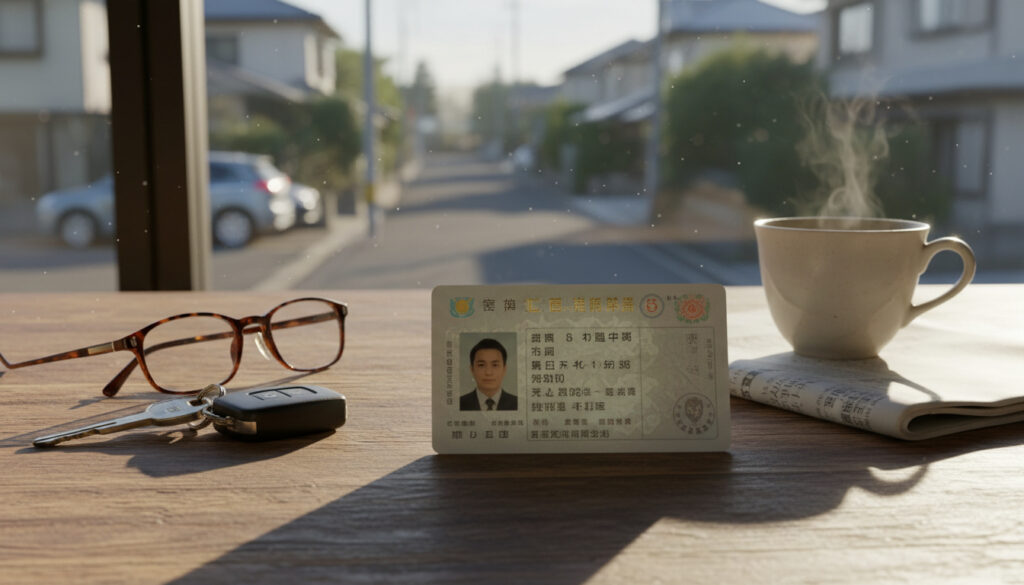
Veteran actor Hiroshi Tate has voluntarily surrendered his driver’s license following a wrong-way driving incident in Tokyo’s Ginza district, concluding a driving career marked by previous traffic violations. The 71-year-old entertainer submitted his license to metropolitan police in late November 2024, prompting widespread discussion about elderly drivers and accountability in Japan’s entertainment industry.
Grid
Subject: Hiroshi Tate (71), film and television actor
Action: Voluntary license surrender (menkyo hennou)
Location: Chuo Ward, central Tokyo
Date: Incident November 22, 2024; Surrender November 28, 2024
Precedent: Third documented traffic incident since 2014
Insights
The incident occurred at approximately 5:30 AM on November 22, 2024, when Tate drove his personal vehicle against traffic on a one-way street near the Tsukiji Outer Market. According to Asahi Shimbun reports, the actor traveled approximately 20 meters in the wrong direction before correcting his course. Metropolitan police administered alcohol tests at the scene, which returned negative results, indicating the error stemmed from operational misjudgment rather than impairment.
While no collision occurred and no injuries were reported, the incident triggered immediate scrutiny due to Tate’s history of previous violations. The case exemplifies the challenges facing aging drivers in dense urban environments, where complex road configurations and early morning traffic conditions can exacerbate navigational errors.
Table
| Date | Incident Type | Location | Result |
|---|---|---|---|
| 2014 | Collision with parked vehicle | Minato Ward | Property damage |
| 2016 | Guardrail contact | Shibuya Ward | Vehicle damage only |
| November 2024 | Wrong-way driving | Chuo Ward | License surrendered |
Details
On the morning of November 22, Tate departed his residence and navigated toward central Tokyo, entering a one-way street designated for southbound traffic while traveling northbound. The error occurred near the Tsukiji Outer Market, a district characterized by narrow streets and complex traffic flow patterns established after the 2018 relocation of the wholesale market.
Witnesses observed the vehicle proceeding against designated traffic flow and notified emergency services. NHK News reported that Tate acknowledged the error immediately upon realizing his mistake and cooperated fully with subsequent police inquiries. The absence of alcohol involvement distinguished this incident from other celebrity traffic violations, focusing attention instead on age-related driving competency.
Timeline
- : Tate collides with parked vehicle in Tokyo’s Minato Ward, causing minor property damage. Mainichi Shimbun documented the incident as involving operational error during early morning hours.
- : Second incident occurs in Shibuya Ward, where Tate makes contact with a sidewalk guardrail while maneuvering through narrow streets. Yomiuri Shimbun reported no injuries but noted vehicle damage requiring insurance claims.
- : Wrong-way driving incident occurs in Chuo Ward near Tsukiji.
- : Tate formally submits license to Tokyo Metropolitan Police, completing voluntary surrender procedures.
Clarity
In Japan, “menkyo hennou” (license surrender) constitutes a formal procedure allowing drivers to voluntarily return their operating privileges to authorities. Unlike license revocation or suspension, which carry punitive legal consequences and mandatory restriction periods, voluntary surrender functions as a preemptive measure demonstrating accountability and remorse.
The distinction carries significant cultural weight. Nikkan Sports notes that Tate specifically requested this option to acknowledge his responsibility without awaiting formal administrative proceedings. While voluntary surrender technically preserves the option for future license reinstatement, Tate has publicly declared his permanent retirement from driving.
The procedure has gained increasing prominence as Japan’s population ages. Sponichi Annex cites National Police Agency statistics indicating that over 600,000 drivers aged 75 and older voluntarily surrendered licenses in 2023 alone. Government incentive programs now offer shopping vouchers, discount coupons, and reduced-fare transit passes to encourage elderly drivers to relinquish licenses before incidents occur.
Analysis
Tate’s decision reflects broader societal tensions regarding elderly mobility and public safety. With one in five Japanese drivers now exceeding 65 years of age, incidents involving prominent figures amplify ongoing debates about mandatory cognitive testing and stricter renewal procedures for senior drivers. The case demonstrates how voluntary surrender serves dual functions for public figures: addressing immediate safety concerns while managing reputational risk in an era of intense media scrutiny.
The incident also highlights infrastructural challenges in Tokyo’s evolving urban landscape. The Tsukiji district, where the incident occurred, has undergone significant traffic pattern modifications following the wholesale market’s relocation to Toyosu. Such changes can disorient even experienced drivers, particularly those operating during off-peak hours when visual cues and traffic flow indicators may seem ambiguous.
Quotes
“I have caused considerable worry and concern to the public through my carelessness. I have decided to return my driver’s license and will never drive again. I deeply apologize for my actions and the trouble I have caused.”
— Hiroshi Tate, official statement via Horipro Inc.
Tate’s talent agency released the statement on November 28, confirming the voluntary surrender and emphasizing that the actor reached the decision after consultation with family and professional representatives. The agency further noted that Tate intends to utilize taxis and private car services for future transportation needs.
Summary
Hiroshi Tate’s surrender of his driver’s license concludes a decade-long pattern of traffic incidents, transforming a operational error into a broader statement about elderly driver accountability. The voluntary nature of the surrender distinguishes it from punitive measures, reflecting both personal responsibility and evolving cultural expectations regarding aging and mobility in Japan. As the nation continues adapting to demographic shifts, high-profile surrenders reinforce the preventive approaches increasingly favored over reactive sanctions.
FAQ
What exactly happened during the November 22 incident?
At approximately 5:30 AM, Tate drove his vehicle the wrong way on a one-way street near the Tsukiji Outer Market in central Tokyo. He traveled approximately 20 meters against designated traffic flow before correcting his course. No collision, injuries, or property damage occurred, but witnesses reported the incident to authorities.
Was alcohol involved in the wrong-way driving incident?
Metropolitan police administered breathalyzer and blood alcohol tests at the scene, which returned negative results. The incident was attributed to navigational error and operational misjudgment rather than impairment.
Can Hiroshi Tate resume driving in the future?
While voluntary surrender technically allows for future license reinstatement through standard application and testing procedures, Tate has publicly declared his intention to never drive again. Any future reinstatement would require completing mandatory education courses and passing both written and practical examinations.
Why did Tate choose voluntary surrender over facing suspension?
Voluntary surrender enables drivers to demonstrate accountability and remorse without awaiting formal administrative hearings or punitive actions. For public figures, this approach often mitigates reputational damage while addressing safety concerns proactively.
How common is license surrender among elderly drivers in Japan?
According to National Police Agency data, over 600,000 drivers aged 75 and older voluntarily surrendered licenses in 2023. The government actively promotes surrender through incentive programs including shopping vouchers, tax benefits, and discounted public transit passes.
関連記事をさらに表示
 CR-2/3AZ – パナソニック リチウム電池の入手・価格・代用ガイド
 渋谷凪咲のすべて:プロフィール・YouTuber活動・女優業・人気の秘密・兄渋谷謙人まで徹底完全解説
 【保存版】バレンタインデーの起源、なぜ2月14日?日本と海外の違い、チョコとキスの幸福感までを徹底解説
 【俳優】要潤のプロフィール・経歴・代表作を徹底解説!仮面ライダーアギトからキングダムまで現在の活動も網羅
 個人向け国債変動10年金利推移グラフ【2026年最新】
 冷凍うどん レシピ 簡単 温かい – 解凍不要のレンジ時短人気レシピ
 【歴史解説】徳川綱吉とは?犬公方の真実と生類憐みの令の功罪、愚将から名君へ再評価される理由と現代の視点を徹底解説
 内田理央のプロフィールと経歴、ヒカルとの関係を解説